Rolmodellen Diner 2025
Verbinding, vertrouwen en verhalen die blijven resoneren
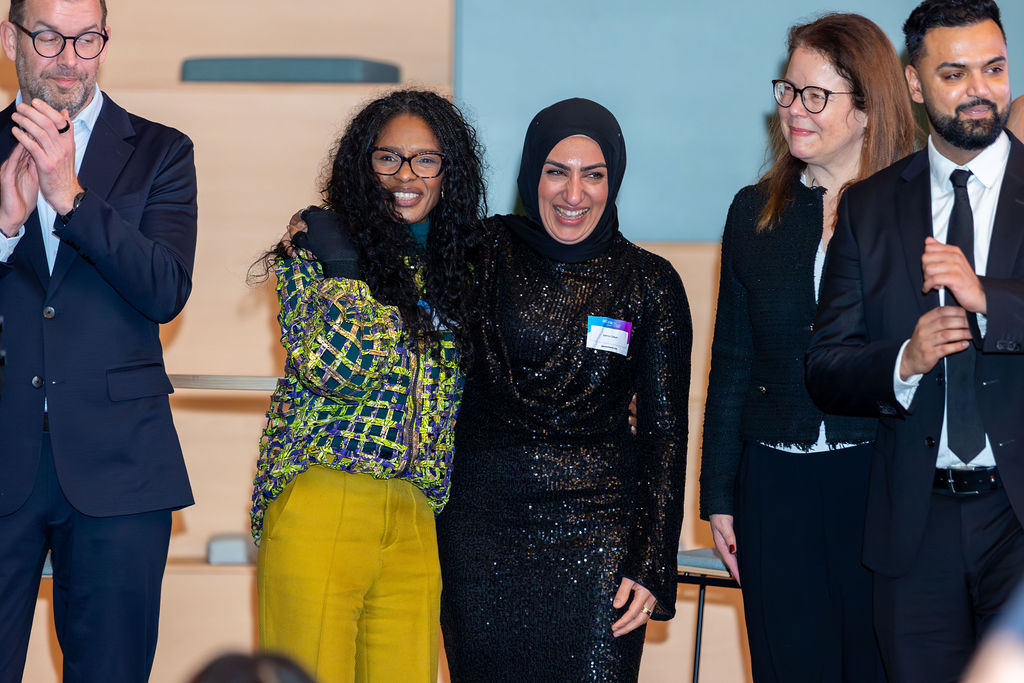
Op donderdag 20 november organiseerde Agora Network het jaarlijkse Rolmodellen Diner, dit keer in samenwerking met PwC als gastvrije host. In de sfeervolle setting van hun kantoor in Amsterdam kwamen professionals uit het hele land samen voor een avond vol inspiratie, persoonlijke reflecties en ontmoetingen die ertoe doen.
Het Rolmodellen Diner is meer dan een feestelijke bijeenkomst. Het is een jaarlijks eerbetoon aan mensen die met hun verhaal, daadkracht en aanwezigheid het verschil maken. Rolmodellen zijn essentieel voor de ontwikkeling van cultureel divers talent binnen organisaties: niet omdat zij perfect zijn, maar omdat zij laten zien dat het anders kan. En dat het anders móét.
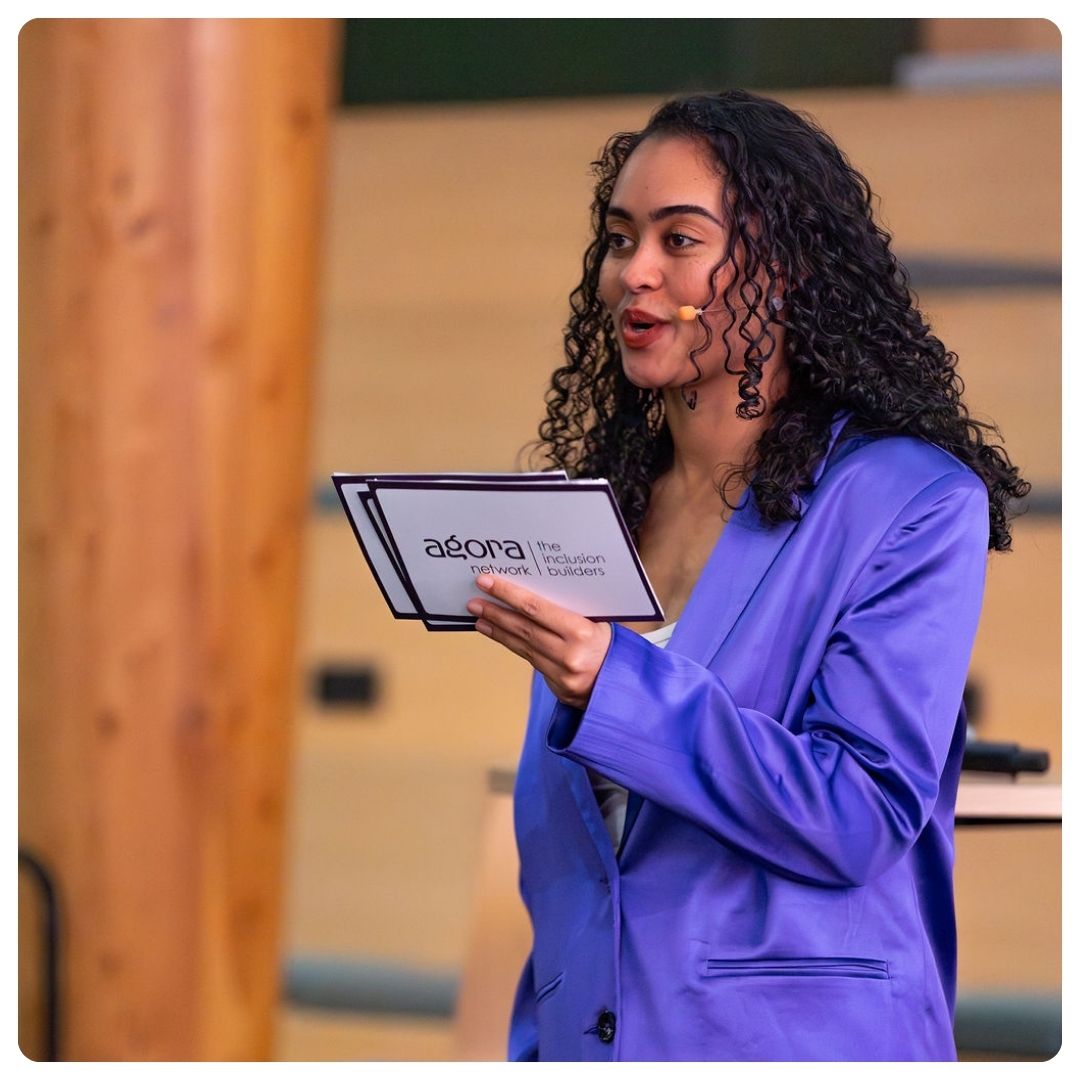
Onder begeleiding van dagvoorzitter Ciana Mayam en omlijst door een diner geïnspireerd op wereldse smaken, stond de avond opnieuw in het teken van verhalen die verbinden en leiderschap dat ruimte maakt voor verschil.
Opening: inclusie als opdracht, niet als optie
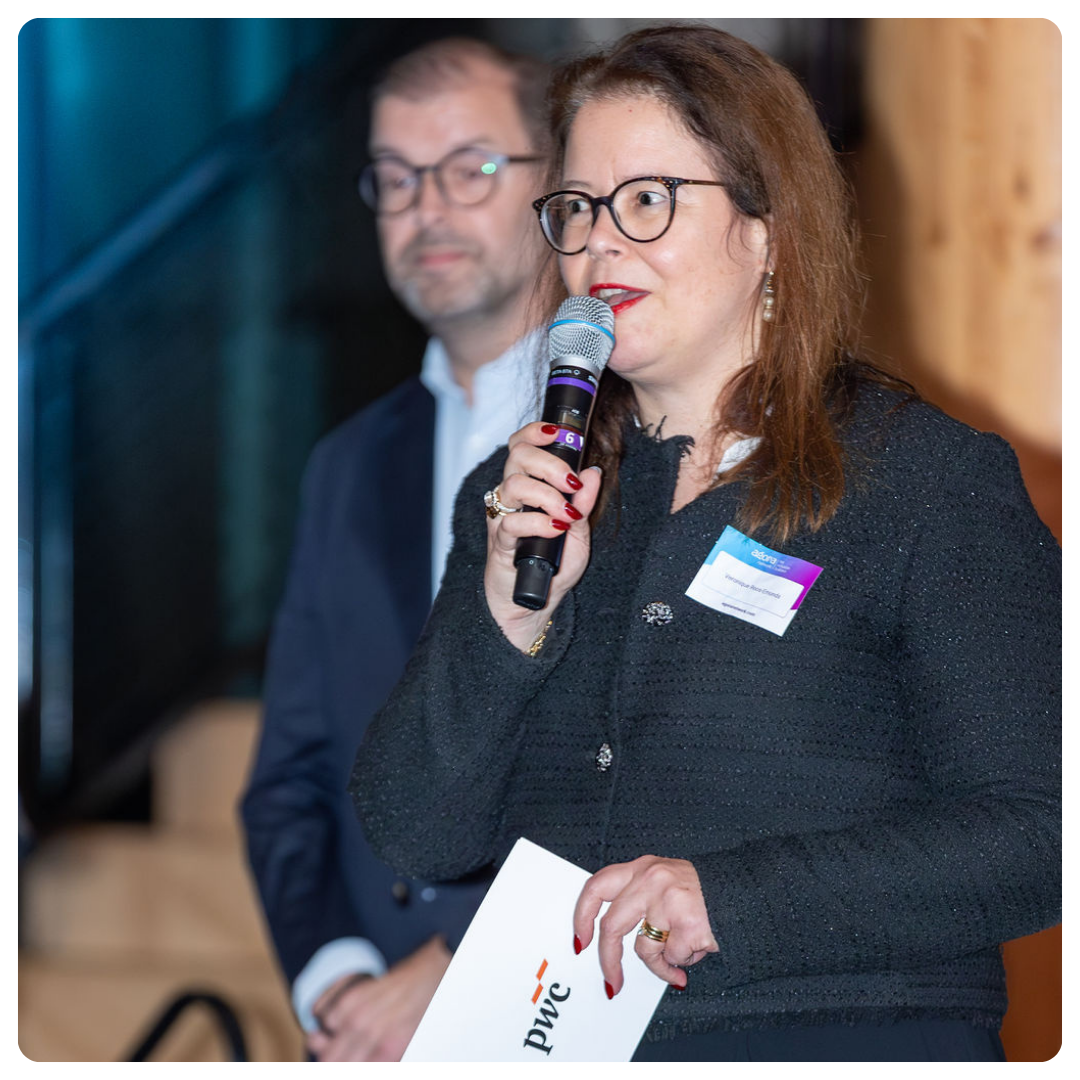
De avond werd geopend door een lid van de Raad van Bestuur van PwC Veronique Roos. In een persoonlijke toespraak benadrukte zij dat inclusiviteit geen vrijblijvende ambitie is, maar een absolute noodzaak. Ze sprak over de noodzaak van authentieke verbinding: “Jezelf kunnen zijn lijkt vanzelfsprekend, maar voelen mensen zich daar ook altijd vrij toe? Op werk, of zelfs onder vrienden?” Volgens haar ligt daar de kern: het creëren van werkplekken waarin mensen zich gewaardeerd voelen, juist om wie ze zijn.
Initiatieven zoals het organiseren van iftars of het vieren van de Internationale Dag van Mensen met een Beperking laten zien hoe PwC werkt aan inclusie in de praktijk. “In een wereld vol spanningen zijn rolmodellen belangrijker dan ooit om bruggen te bouwen en verbinding te creëren.”
Ilja Linnemeijer: inclusie in de praktijk
Met 350 medewerkers en 33 nationaliteiten binnen zijn eenheid is diversiteit een feit, maar inclusie is het écht werk, benadrukte Ilja Linnemeijer, partner bij PwC. Hij vertelde openhartig over persoonlijke ervaringen die zijn leiderschap gevormd hebben.
Linnemeijer hanteert twee kernprincipes: inclusie organiseren met oog voor verschil (bijvoorbeeld door ruimte te geven aan zowel kerst als iftar) en investeren in wat hij noemt connectieve communicatie. “Iedereen is een persoon met een verhaal, dromen en angsten. Het is onze taak als leidinggevenden om te zorgen dat mensen de tools krijgen om succesvol te zijn.”
Als concrete praktijk beschreef hij hoe hij en zijn managementteam wekelijks met willekeurige collega’s in gesprek gaan. “Zo weten we wat er leeft en kunnen we actief bouwen aan een veilige, inclusieve werkomgeving.”
Selda Akbal: sociale veiligheid begint met échte aandacht
Selda Akbal, voorzitter van Agora Network, deelde vervolgens haar scherpe en persoonlijke reflectie op het thema sociale veiligheid. Ze sprak over de spanning tussen wie we van binnen zijn en wat we naar buiten tonen en benoemde hoe we als samenleving steeds vaardiger worden in het verbergen en afvlakken van emoties en ervaringen. “We zijn er in onze samenleving heel bedreven in geworden: het maskeren van taal, en het maskeren van emoties. Ook in organisaties.” Ze wees erop dat ziekteverzuim vaak als burn-out wordt benoemd, terwijl de werkelijke oorzaak regelmatig ligt in uitsluiting, onveiligheid of structurele ongelijkheid.
Ze riep op om te sturen op menselijkheid. "We sturen organisaties via cijfers en rapporten. Maar wie stuurt er nog op menselijkheid?" Haar oproep: laten we echte verbinding zoeken. "We zijn niet gemaakt voor digitale schuilplaatsen, maar voor échte verbinding. Dáár begint heling."
Feroz Amirkhan: van verdunnen naar versterken
De eerste rolmodelspreker van de avond was Feroz Amirkhan: documentairemaker, consultant en verteller van onderbelichte verhalen. Zijn bekroonde film Vals Paradijs over de Hindoestaanse gemeenschap liet hem niet alleen als maker, maar ook als mens groeien. In zijn speech deelde hij hoe hij jarenlang probeerde zich aan te passen aan ‘de norm’. “Je leert jezelf te verdunnen, zodat je erbij past. Maar op een gegeven moment vroeg ik mezelf af: wat is eigenlijk de waarde van diversiteit als we allemaal verdunnen om erbij te horen?”
Die vraag werd het kantelpunt in zijn persoonlijke én professionele leven. In plaats van zich te blijven aanpassen, begon hij zijn achtergrond als kracht te omarmen. Schaamte maakte plaats voor trots en het vertellen van zijn verhaal bleek niet alleen helend voor hemzelf, maar gaf ook anderen in zijn gemeenschap erkenning. “Ik dacht: als ik het verhaal niet vertel, wie dan wel?”
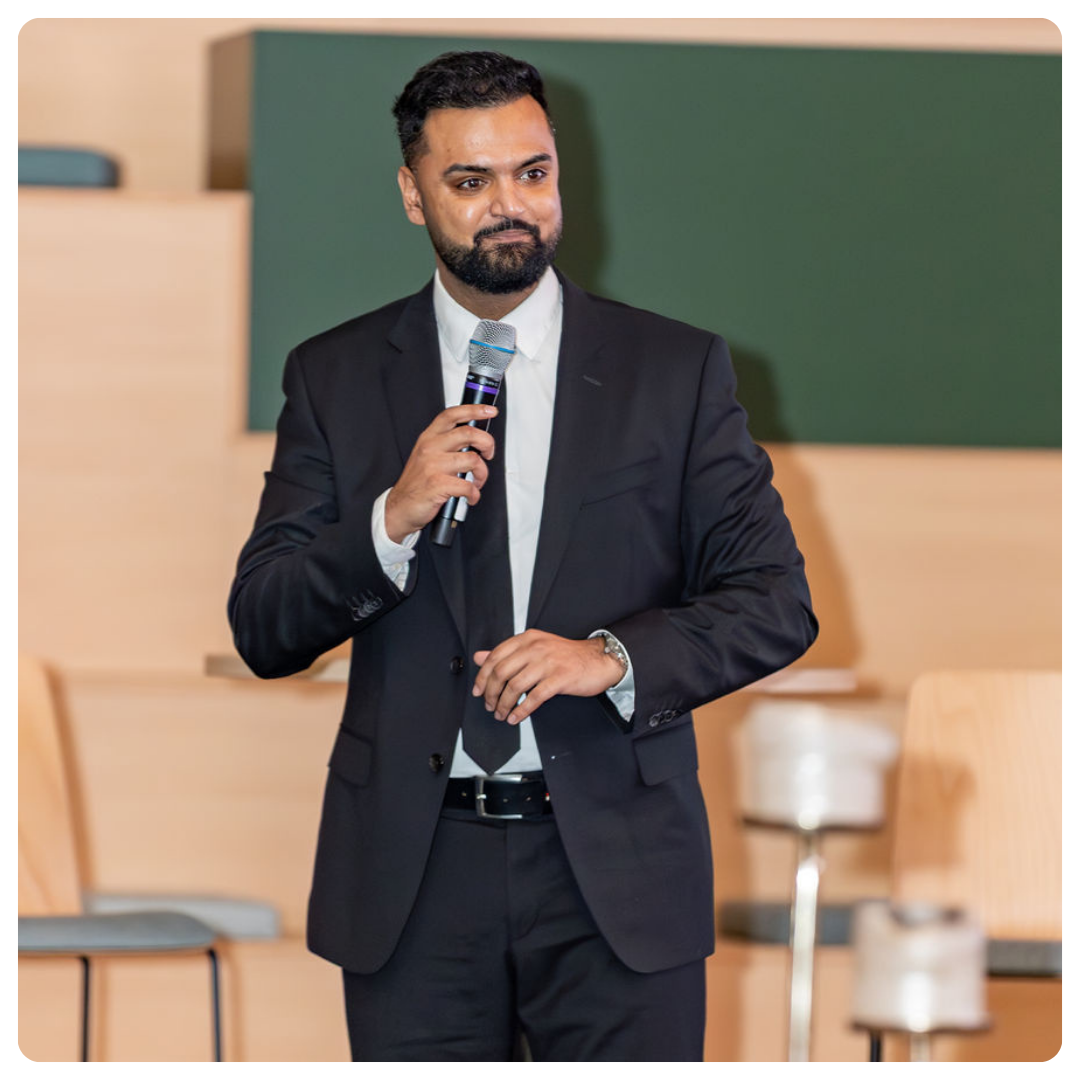
Amirkhan vertelde hoe het bezoek aan plantages waar zijn voorouders als contractarbeiders werkten hem liet voelen op welke krachtige schouders hij staat. “Ik liep daar letterlijk in hun voetsporen. Ik besefte: ik ben rijk, juist door mijn achtergrond.”
Zijn oproep aan de zaal was helder: zie jezelf niet als uitzondering, maar als brug. Wees zichtbaar, wees jezelf, juíst in omgevingen waar dat niet vanzelfsprekend is. Want, zoals hij het zelf verwoordde: “We hebben geen kopieën nodig. We hebben oorsprong nodig. En wij zijn die oorsprong.”
Selma Ozkan: leiderschap met een open tafel
Als tweede spreker nam Selma Ozkan het podium. Als oprichter en directeur van Kindernet, een kinderopvangorganisatie met meer dan veertig vestigingen, deelde zij hoe zij haar onderneming vanaf de basis opbouwde. Niet met externe investeerders, maar met vertrouwen in haar éigen visie: een organisatie waarin iedereen welkom is, ongeacht achtergrond, geloof of opleiding.
“Iedereen is welkom,” zei ze. “We kijken naar kwaliteiten en talenten, niet naar waar je vandaan komt.”
Ze vertelde openhartig hoe ze Kindernet startte met twee kinderen en twee leidsters, zonder steun van banken. “Maar in één maand hadden we al een tweede groep vol.” Het bleek de aanzet tot groei vanuit eigen kracht, met inmiddels tientallen vestigingen en een visie die overeind blijft in de praktijk.
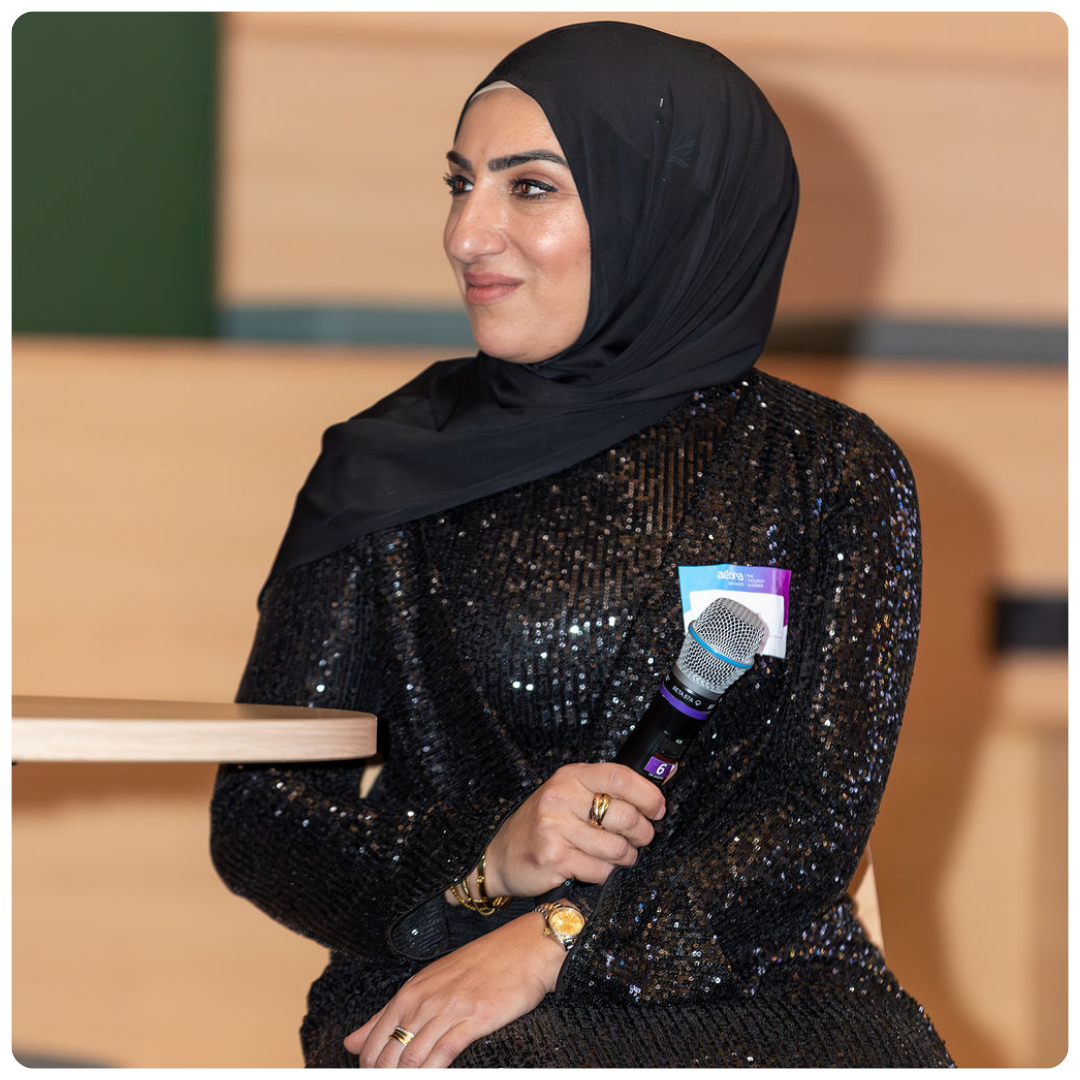
Ozkan organiseert regelmatig pastadiners: laagdrempelige ontmoetingen zonder managers, waarin medewerkers vrijuit kunnen spreken. “Daar hoor ik wat er echt speelt. Alleen dan kun je samen groeien.” Haar leiderschap is gebaseerd op nabijheid en vertrouwen; een stijl die ruimte geeft aan de mens, niet alleen aan de professional. “Mijn medewerkers zijn als familie. Als ze me nodig hebben, ben ik er honderd procent.”
Ze sprak ook over haar eigen pad naar zichtbaarheid. “In het begin bleef ik liever achter de schermen. Maar op een gegeven moment dacht ik: het is mijn bedrijf en ik moet ervoor gaan staan.”
Als vrouw, ondernemer en moslima voelt ze de verantwoordelijkheid om zichtbaar te zijn, júist voor mensen die zichzelf nog niet terugzien in leiderschapsposities. “Je moet soms doorgaan terwijl anderen nog niet zien wat jij ziet. Maar dat is precies waarom we rolmodellen nodig hebben.”
Sylvana Simons: wie je bent, is genoeg
Als afsluiter sprak Sylvana Simons, voormalig partijleider van BIJ1 en bekend van haar jarenlange werk in de media. In een persoonlijke en indringende toespraak reflecteerde zij op het begrip ‘rolmodel’: een term waar ze lange tijd moeite mee had. “Ik wilde geen voorbeeld zijn. Ik wilde gewoon mezelf zijn,” vertelde ze. “Tot ik begreep dat een rolmodel niet iemand is die alles weet, maar iemand in wie je iets van jezelf kunt herkennen.”
Ze vertelde hoe ze in haar beginjaren bij TMF het liefst zo min mogelijk werd aangesproken op haar voorbeeldfunctie. Maar met de jaren groeide het besef dat rolmodellen noodzakelijk zijn, zolang we ze niet verwarren met idolen. “Wanneer je iemand idoliseert, romantiseer je. Dan is er geen relatie. Maar bij een rolmodel is er herkenning. En herkenning komt uit dezelfde plek als moed en wijsheid: je buikgevoel. Daar woont het weten.”
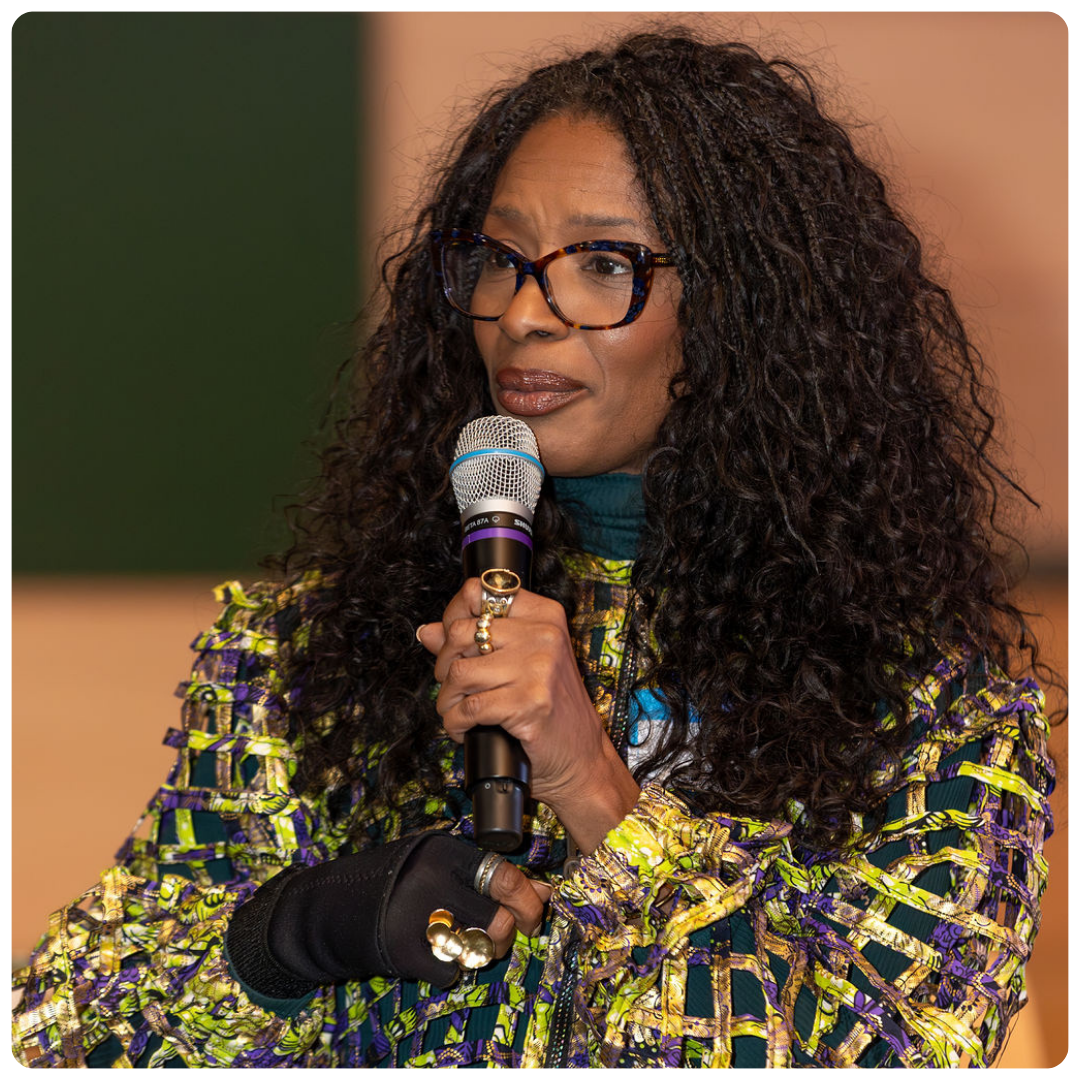
Simons benadrukte het belang van trouw blijven aan jezelf, zeker in een wereld vol meningen, labels en verwachtingen. “Je bent niet wat je doet. Je bent wie je bént.” Ze pleitte voor radicale zelfkennis en riep op tot een leven waarin niet de buitenwereld, maar je innerlijke kompas leidend is. “Elke avond kijk ik in de spiegel en vraag ik mezelf: ben ik trots op hoe ik vandaag ben geweest? Niet op wat ik heb bereikt, maar hoe ik was.”
Ze deelde openhartig hoe ze omgaat met oordelen en projecties. “Als mensen me een boze zwarte vrouw noemen, zeg ik soms gewoon: ja, en?” De kunst, volgens haar, is om andermans oordeel niet je missie te laten verstoren. “Hun emotie, hun projectie; het is van hén. Laat het bij hen.” Tot slot gaf ze het publiek een praktische tip mee: stel je bij elke presentatie voor dat je vrienden in de zaal zitten.
Haar woorden waren ontwapenend, scherp, liefdevol en krachtig, precies zoals rolmodellen dat kunnen zijn. En zoals zij zelf zei: “Alles wat je denkt dat je niet weet, dat weet je al. Je hoeft alleen te leren luisteren naar dat buikgevoel: je gut feeling.”
Woorden die verbinden: afsluiting in muziek en poëzie
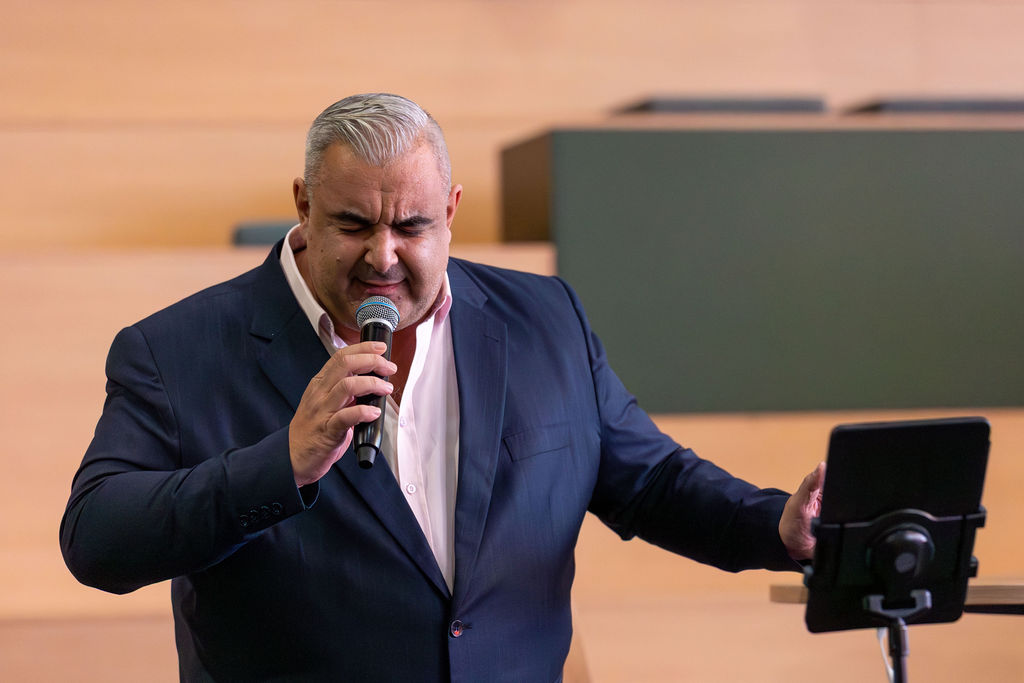
De avond werd afgesloten met een optreden van spoken word artiest Atta de Tolk. Met zijn ritmische, scherpe woorden bracht hij een ode aan de rolmodellen in de zaal: niet alleen op het podium, maar óók degenen aan tafel. Zijn woorden waren rauw en troostend tegelijk. Een fragment:
“Your identity is your strength.
Don't lose it, use it.
Push it if they refuse it.
We don't need more copies.
We need the originals to be visible.
That way we can be invincible."
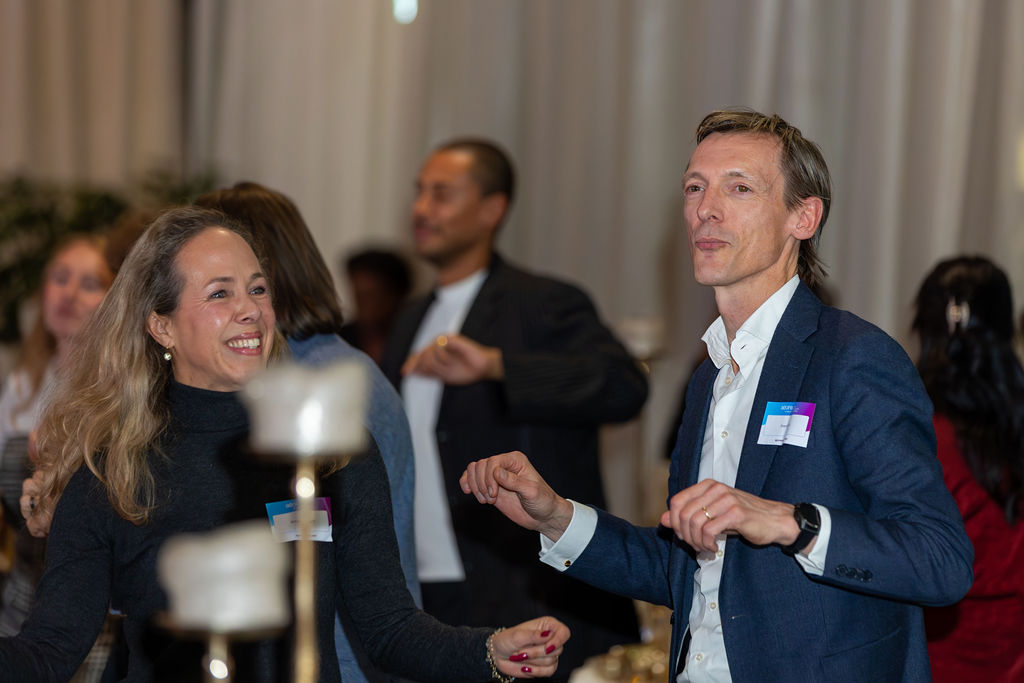
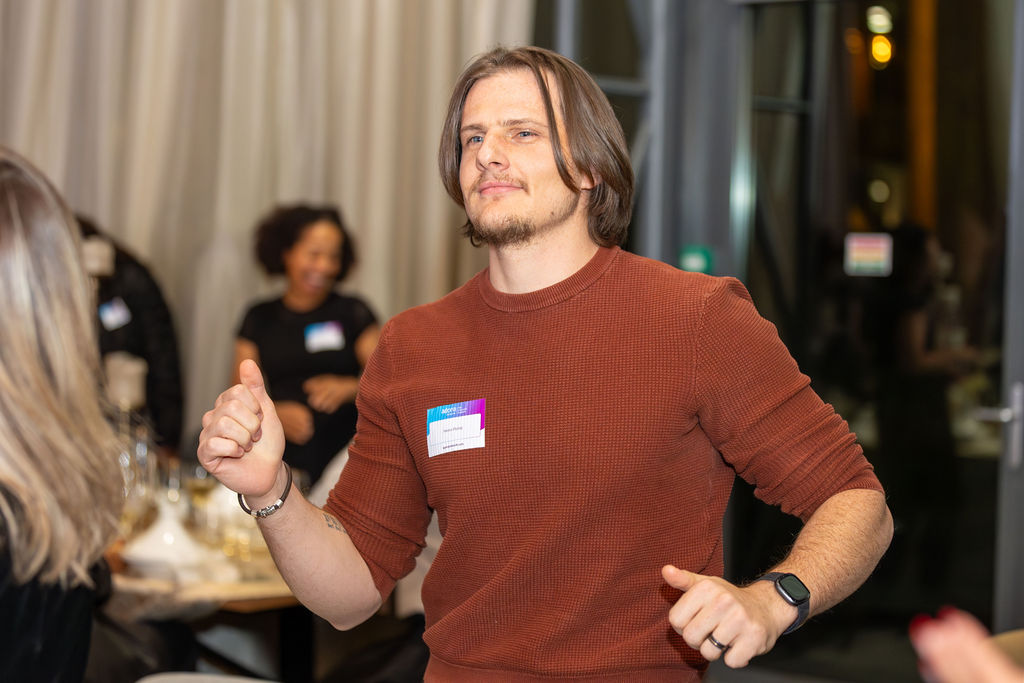
Daarna volgde een muzikaal slotakkoord van zanger Ersoy Demir, wiens NederTurkse stijl moeiteloos culturen, klanken en generaties verbond. Het enthousiasme was te vóelen in de zaal. Het was een krachtige afsluiting van een avond vol inspiratie.
Dank aan alle sprekers, artiesten aanwezigen en PwC voor de warme ontvangst, zorgvuldige organisatie en het smakelijke diner.
Laten we blijven luisteren, blijven spreken, blijven bouwen.
Voor elkaar, met elkaar. Als rolmodellen van nu én straks.
------------------------------------------------------------------------------------------------
English
Agora Network Role Model Dinner 2025
Connection, trust and stories that continue to resonate
On Thursday, November 20, Agora Network organized the annual Role Models Dinner, this time in collaboration with PwC as the welcoming host. In the atmospheric setting of their office in Amsterdam, professionals from across the country gathered for an evening full of inspiration, personal reflections, and meaningful encounters.
The Role Models Dinner is more than just a festive gathering. It is an annual tribute to people who make a difference through their stories, decisiveness, and presence. Role models are essential for the development of culturally diverse talent within organizations: not because they are perfect, but because they show that things can be done differently. And that they múst be done differently.
Guided by moderator Ciana Mayam and accompanied by a dinner inspired by global flavors, the evening once again centered around stories that connect and leadership that makes room for difference.
Opening: inclusion as a mission, not a choice
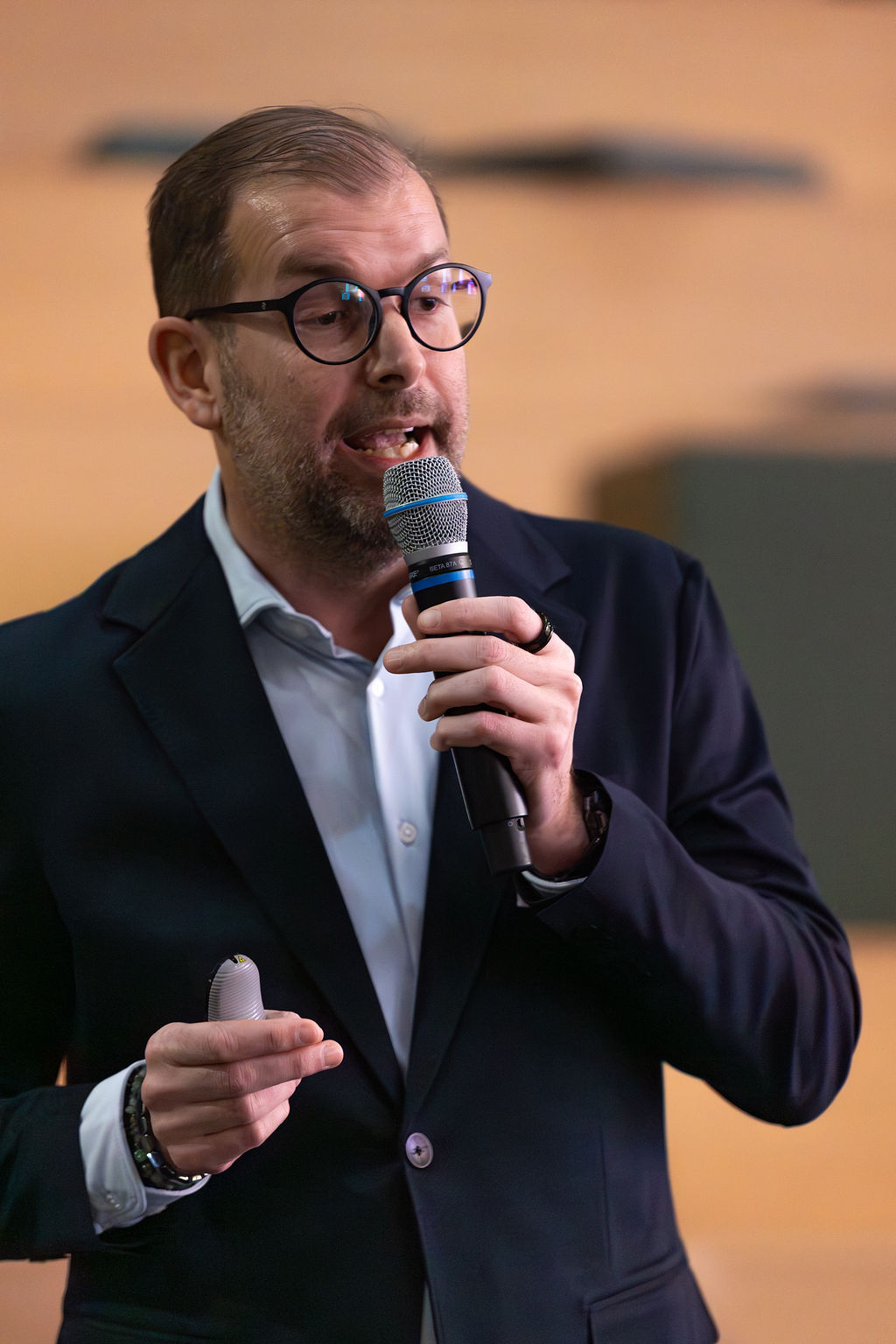
The evening was opened by a member of PwC’s Board of Directors Veronique Roos. In a personal speech, she emphasized that inclusivity is not a non-committal ambition, but an absolute necessity. She spoke about the importance of authentic connection: “Being yourself may seem self-evident, but do people always feel free to do so? At work, or even among friends?” According to her, that is the core: creating workplaces where people feel valued, precisely for who they are.
Initiatives such as organizing iftars or celebrating the International Day of Persons with Disabilities show how PwC puts inclusion into practice. “In a world full of tensions, role models are more important than ever to build bridges and create connection.”
Ilja Linnemeijer: inclusion in practice
With 350 employees and 33 nationalities within his unit, diversity is a fact, but inclusion is the real work, emphasized Ilja Linnemeijer, partner at PwC. He spoke candidly about personal experiences that have shaped his leadership.
Linnemeijer applies two core principles: organizing inclusion with an eye for difference (for example, by making space for both Christmas and Iftar) and investing in what he calls connective communication. “Everyone is a person with a story, dreams, and fears. It is our task as leaders to ensure that people receive the tools to be successful.”
As a concrete example, he described how he and his management team speak weekly with random colleagues. “That way, we know what is going on and can actively build a safe, inclusive working environment.”
Selda Akbal: social safety begins with real attention
Selda Akbal, chair of Agora Network, then shared her sharp and personal reflection on the theme of social safety. She spoke about the tension between who we are on the inside and what we show on the outside, and pointed out how, as a society, we are becoming increasingly skilled at hiding and flattening emotions and experiences. “We have become very adept in our society at masking language and masking emotions. Also in organizations.” She pointed out that absenteeism is often labeled as burnout, while the real cause often lies in exclusion, insecurity, or structural inequality.
She called for steering with humanity. “We steer organizations using figures and reports. But who still steers with humanity?” Her call: let’s seek real connection. "We are not made for digital hiding places, but for genuine connection. That is where healing begins.”
Feroz Amirkhan: from dilution to empowerment
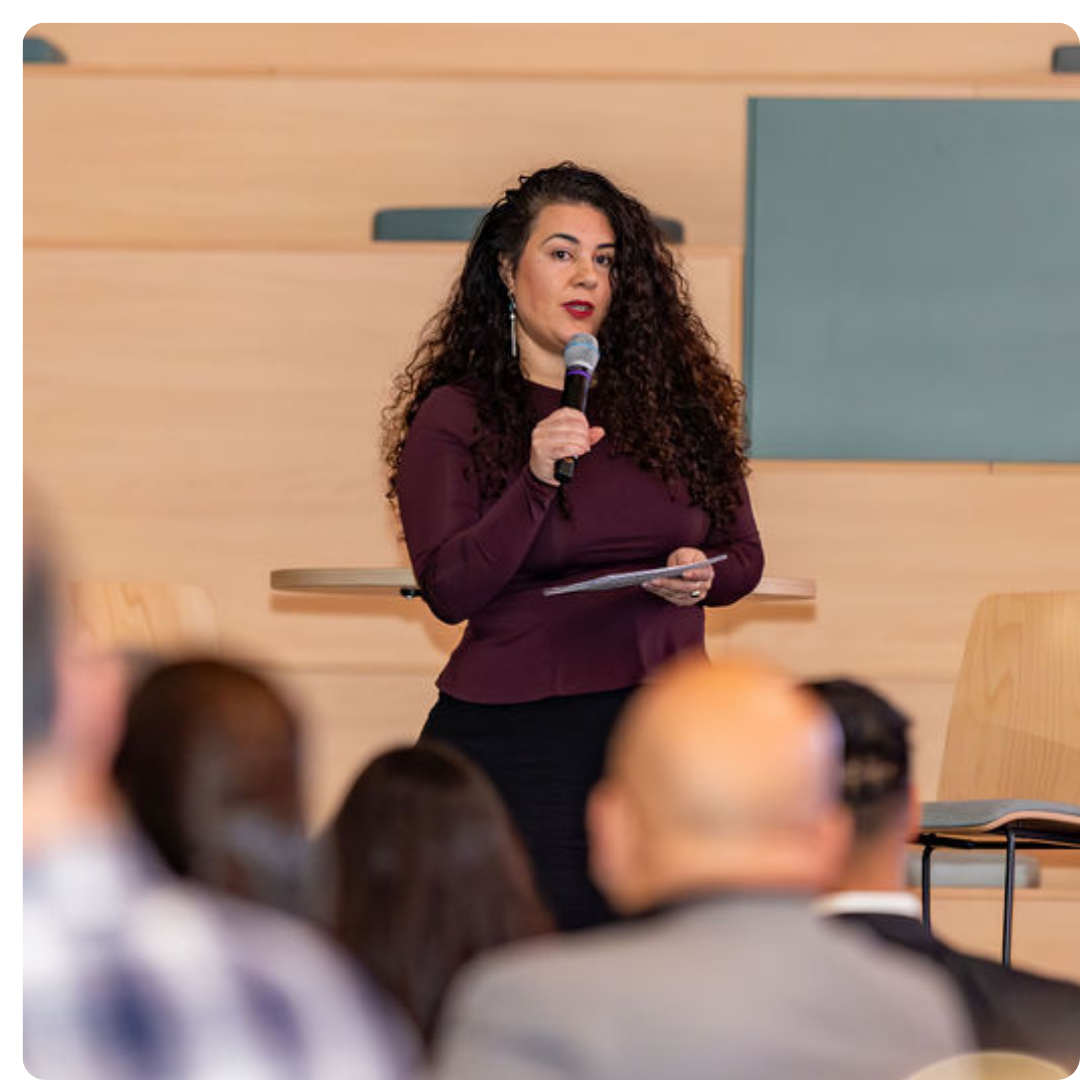
The first role model speaker of the evening was Feroz Amirkhan: documentary filmmaker, consultant, and storyteller of underrepresented narratives. His award-winning film False Paradise about the Hindustani community not only helped him grow as a creator, but also as a person. In his speech, he shared how for years he tried to conform to ‘the norm’. “You learn to dilute yourself so that you fit in. But at a certain point, I asked myself: what is the value of diversity if we all dilute ourselves to belong?”
That question became the turning point in both his personal and professional life. Instead of continuing to adapt, he began to embrace his background as a strength. Shame gave way to pride, and telling his story turned out to be healing not only for himself, but also gave others in his community recognition. “I thought: if I don’t tell the story, then who will?”
Amirkhan spoke about how visiting plantations where his ancestors had worked as indentured laborers made him feel the powerful shoulders he stands on. “I literally walked in their footsteps. I realized: I am rich precisely because of my background.”
His call to the audience was clear: don’t see yourself as an exception, but as a bridge. Be visible, be yourself, especially in environments where that’s not self-evident. As he himself put it: “We don’t need more copies. We need origin. And we are that origin.”
Selma Ozkan: leadership with an open table
The second speaker to take the stage was Selma Ozkan. As founder and director of Kindernet, a childcare organization with more than forty locations, she shared how she built her business from the ground up. Not with external investors, but with trust in her own vision: an organization where everyone is welcome, regardless of background, faith, or education.
“Everyone is welcome,” she said. “We look at qualities and talents, not at where you come from.”
She spoke candidly about starting Kindernet with two children and two teachers, without support from banks. “But within one month, we already had a second group full.” It marked the start of growth from her own strength, now with dozens of locations and a vision that holds up in practice.
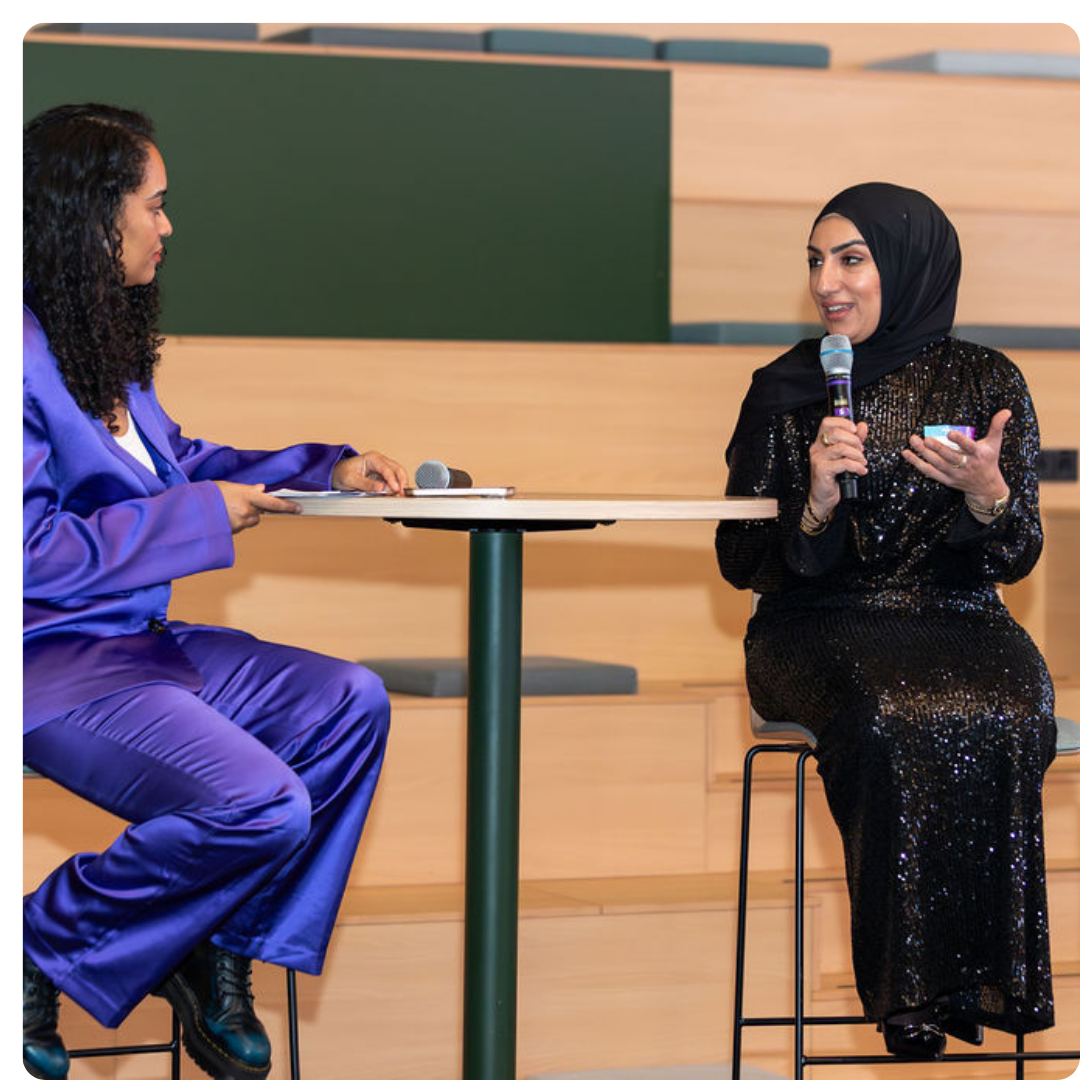
Ozkan regularly organizes pasta dinners: low-threshold gatherings without managers, where employees can speak freely. “That’s where I hear what’s really going on. Only then can we grow together.” Her leadership is based on closeness and trust; a style that makes room for the person, not just the professional. “My employees are like family. If they need me, I’m there 100 percent.”
She also spoke about her own path to visibility. “In the beginning, I preferred to stay behind the scenes. But at a certain point, I thought: it’s my company and I have to stand for it.” As a woman, entrepreneur, and Muslim, she feels the responsibility to be visible, especially for people who do not yet see themselves reflected in leadership positions. “Sometimes you have to keep going while others don’t yet see what you see. But that’s exactly why we need role models.”
Sylvana Simons: who you are is enough
The final speaker was Sylvana Simons, former party leader of BIJ1 and known for her longstanding work in the media. In a personal and poignant speech, she reflected on the concept of ‘role model’ – a term she struggled with for a long time. “I didn’t want to be an example. I just wanted to be myself”, she said. “Until I understood that a role model isn’t someone who knows everything, but someone in whom you can recognize something of yourself.”
She shared how, in her early years at TMF, she preferred not to be addressed as a role model. But over the years, the realization grew that role models are essential, as long as we don’t confuse them with idols. “When you idolize someone, you romanticize them. There is no relationship. But with a role model, there is recognition. And recognition comes from the same place as courage and wisdom: your gut feeling. That’s where knowing lives.”
Simons emphasized the importance of staying true to yourself, especially in a world full of opinions, labels, and expectations. “You are not what you do. You are who you are.” She advocated for radical self-knowledge and called for a life guided not by the outside world, but by your inner compass. “Every night I look in the mirror and ask myself: am I proud of how I was today? Not for what I achieved, but for how I was.”
She spoke openly about how she deals with judgment and projection. “When people call me an angry Black woman, I sometimes just say: yes, and?" The key, according to her, is not to let someone else’s judgment distract you from your mission. "Their emotion, their projection – it’s theirs. Leave it with them.”
She ended with a practical tip for the audience: whenever you present, imagine your friends are in the room. Her words were disarming, sharp, loving, and powerful; exactly as role models can be. And as she herself said: “Everything you think you don’t know, you already know. You just have to learn to listen to that gut feeling.”
Words that connect: closing in music and poetry
The evening concluded with a performance by spoken word artist Atta de Tolk. With his rhythmic, piercing words, he paid tribute to the role models in the room – not only those on stage, but also those at the tables. His words were raw and comforting at the same time. An excerpt:
"Your identity is your strength.
Don’t lose it, use it.
Push it if they refuse it.
We don’t need more copies.
We need the originals to be visible.
That way we can be invincible."
This was followed by a musical finale by singer Ersoy Demir, whose Dutch-Turkish style effortlessly bridged cultures, sounds, and generations. The energy in the room was palpable. It was a powerful ending to an evening full of inspiration.
Thanks to all speakers, artists, attendees, and especially to PwC for the warm welcome, careful organization, and delicious dinner.
Let’s keep listening, keep speaking, keep building.
For each other, with each other. As the role models of today and tomorrow.
Bouw mee aan onze online-community
|